
Chimney Inspection
Cap, crown, brick, flashing and the flue inside, checked and written up.
Fall fills up fast. Book your sweep before the first cold snap. Contact Us
Ottawa Precision Chimney Sweep offers chimney liner installation in Ottawa, ON for wood stoves, fireplace inserts, furnaces and water heaters. A liner is a pipe that runs down the inside of the old flue, and it carries smoke or exhaust up and out so the old brick never has to. We take the old liner out when it is damaged, set the new one from the roof and finish with a cap.
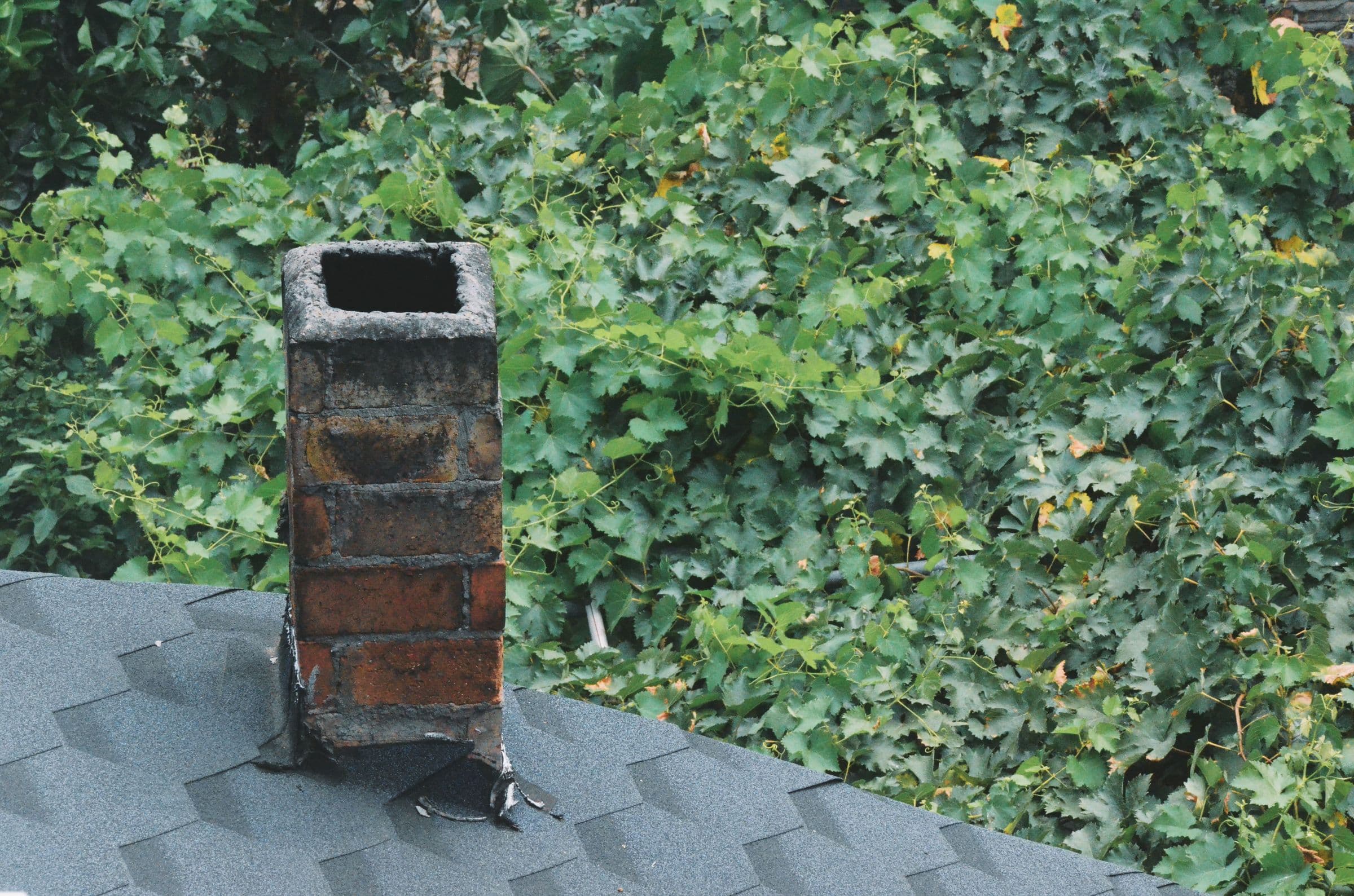
A masonry chimney is a brick shaft, and brick alone does not make a safe flue. The liner inside is what holds the heat and fumes. When the clay tiles crack, or a new stove changes how hot the smoke runs, a new liner puts a sealed pipe where the leaky one used to be.
Ottawa Precision Chimney Sweep also provides liner installations for chimneys in Orleans, Kanata, Nepean, Barrhaven and other Ottawa neighbourhoods, and we remove unused gas liners when a furnace is replaced. Most jobs take a day, and a tall chimney takes scaffolding first.
Contact UsYour fuel decides the liner. Tell us what the chimney serves and we will match the liner, the insulation and the cap.
A flexible stainless pipe, usually 6 inches across, fed down the flue in one length. It carries wood smoke and stands up to creosote and chimney-fire heat. We wrap it in insulation for stoves and inserts, and it comes with a top plate and cap.
A thin aluminum pipe sized to the furnace or water heater it serves. Gas exhaust is cool and wet, so it needs a tight liner or the moisture eats the brick. Aluminum liners last about 15 years on average, and we replace them when they fail.
Old clay tiles crack from heat and from freeze-thaw, and from the top you can't tell. If the camera shows cracks, we slide a stainless liner inside the clay and seal it at the top, with no need to break into the chimney.
A new furnace that vents out the side of the house leaves an empty flue. We pull the old gas liner, seal the opening at the top and close the hole inside, so there is no draft and no nesting animals.
Tall chimneys and steep roofs cost more. Prices are before HST.
A stainless steel chimney liner in Ottawa costs $1,800 to $4,500 installed in 2026, and an aluminum gas liner runs $450 to $1,100. The height of the chimney, the roof pitch and how many bends are in the flue set the price. A second-storey chimney costs more than a single-storey one.
| Liner | Typical price | Good for |
|---|---|---|
| Stainless, 6 inch, one storey | $1,800 to $2,800 | A wood stove or insert in a bungalow |
| Stainless, 6 inch, two storeys | $2,800 to $4,500 | A tall chimney on a two-storey house |
| Aluminum gas liner | $450 to $1,100 | A furnace or water heater |
| Liner removal and seal-off | $400 to $900 | A chimney with no appliance left on it |
Insulation wrap on a stove liner is an extra, and we think it is worth it. An insulated liner keeps the smoke hot, and hot smoke leaves less creosote. Cheap bare liners are fine on a gas appliance and a poor deal on a wood stove.
Almost always, yes. A wood stove or insert burns hotter and faster than an open fireplace, and the old flue was built for a different job. Installers and WETT inspectors expect a continuous liner from the stove to the cap. Skipping it is the most common reason a stove fails an inspection. We'd say it every time, because a bare flue has surprised us more than once.
In Canada a liner for an existing masonry chimney is tested to the CAN/ULC-S635 standard, which is the test for lining systems. That means the pipe has been heated and checked for leaks. Ask for a liner with the ULC mark on it. We use listed liners only and leave the paperwork with you.
Gas liners last about 15 years on average, and the first sign is usually a draft problem or a furnace that shuts off. A damaged gas liner can leak exhaust into the chimney and push fumes back toward the house. In Ontario a gas appliance can be red tagged until the venting is fixed.
A red tag is an order from a gas fitter that an appliance can't be used until the problem is fixed. In Ontario the Technical Standards and Safety Authority sets those rules. A failing liner is a common reason for a red tag on a furnace or water heater, and a new liner is the usual fix.
We set up on the roof, and on a tall chimney we build scaffolding first. A weighted line goes down the flue, the liner follows it in one piece, and we seal the bottom to the stove, insert or furnace connection. Then comes the top plate and cap. Most jobs take a day. Last year we relined about 40 flues, and about 30 of them were for a new wood stove.
If the old clay tiles are broken, we pull the loose pieces out first. A liner doesn't need perfect tiles around it, but it does need a clear path. Pierre has fished everything from a wasp nest to a child's toy truck out of a flue before the liner went in.
Most can. A flue with a sharp offset, a very small opening or a collapsed section is the exception, and the camera scan tells us before we price the job. In those rare cases we talk through a rebuild or a different layout, and you still get a plain price.
We climb up, look, and send you the price in writing. If a chimney needs nothing but a sweep, that is all you pay for.
Contact UsInsurers and buyers sometimes ask for one on a wood stove or insert. We arrange it with a partner inspector.
Contact UsA good stainless liner lasts 15 to 25 years on a wood stove, depending on the grade of steel and how well the stove is maintained. A liner on a gas appliance lasts longer, because the exhaust is cooler. Keeping the flue swept every year is the best way to get the full life out of it.
Yes, as long as the roof is safe to climb. A liner doesn't depend on mortar the way a repair does, so cold weather doesn't hold it up. Ice on the roof can, and we will reschedule for safety. Ask for a date a few weeks out in fall.
A liner swap usually does not. A new wood stove or insert may, and the building office or your insurer may want the paperwork. We tell you before the work what applies to your address, and we give you the installation details for your records.
Often yes. A high-efficiency furnace vents out the side of the house and leaves the chimney unused. A mid-efficiency one still uses the chimney and may need a smaller liner than the old one. The installer or gas fitter tells you which, and we handle the chimney side.
Cap, crown, brick, flashing and the flue inside, checked and written up.
Caps, rain caps and chase covers that keep water and animals out.
The concrete lid on top of the brick, sealed or rebuilt.
Crumbling mortar chiselled out and replaced before the brick fails.
Partial and full rebuilds, and chimney removal when it's time.
Flashing, crown and cap fixed where the water is really getting in.
Leave your name, number and a line about the chimney. We call back to set up a look, and the written price follows.